
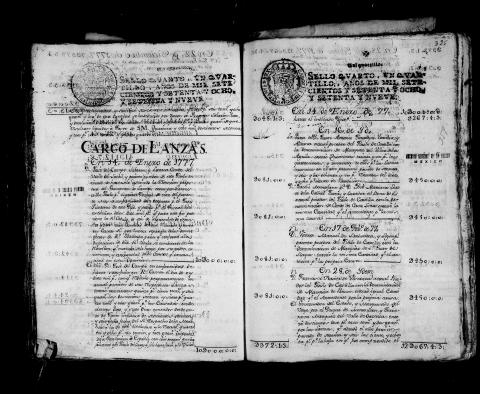
While doing research for my upcoming book on the Marquisate of Pánuco, title of my ancestors, I stumbled upon an interesting primary-source entry in the Viceregal Correspondence (Correspondencia de Virreyes, Mexico, 1778) detailing the 1777 "Cargo de Lanzas" for New Spain.
For context, the Cargo de Lanzas (or Servicio de Lanzas) was a direct tax on titled nobility. It originated as an old medieval duty where nobles had to supply armed knights (lances) to the Crown during wartime. In 1631, King Philip IV monetized this military obligation into an annual tax, requiring titled families to pay a set fee to the Real Hacienda to legally maintain their status. By 1773, nobles in the Americas could either pay the annual fee or permanently redeem the tax with a single lump-sum payment.
What makes this specific 1777 record interesting is seeing the roster of New Spain’s top and wealthiest mining magnates and aristocratic estates listed side-by-side settling their accounts with the Royal Treasury (although the Count of Regla and the Marquis of San Clemente are missing, probably because they made the lump-sum payment):
- Marqués de Pánuco (Francisco Xavier de Vizcarra, my 7th grandfather, granted the title in 1772)
- Marqués del Villar del Águila
- Conde de Casa Loja
- Marqués de San Juan de Rayas
- Estado del Marqués del Valle de Oaxaca (the Hernán Cortés estate)
- Conde de la Torre de Cosío
- Marqués de San Miguel de Aguayo
- Conde de Santiago de Calimaya
- Conde del Valle de Orizaba
- Conde de Castelo
- Marqués de Villa Hermosa de Alfaro
- Marqués del Valle Ameno
It’s an interesting bit of history of fiscal administration and a look at who made up the elite of late 18th-century New Spain nobility.
Best regards,
Erik Andrés Reynoso y Márquez.